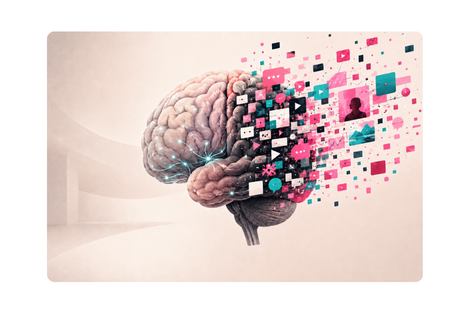
Most of us think we’re in control of what we click, watch, and share online. But behind every “Buy Now” button and trending headline lies a carefully crafted design meant to influence what we do next.
The internet isn’t neutral. Every scroll, swipe, and second spent on a page is shaped by design, a design that can help or manipulate. While much of this is subtle, the behavioural science behind online platforms shows just how easily our brains can be nudged into harmful territory.
From phishing scams to misinformation and manipulative design tactics, the digital world is fraught with friction, not just technical, but also cognitive. And unless we know what to look for, we’re all vulnerable.
Welcome to the world of behavioural online harm.
The Invisible Triggers of Online Harm
Whether we’re ordering dinner or reading the news, the online experience is structured to capture attention and keep it. But some of the most effective strategies for engagement also exploit cognitive shortcuts, and that’s where harm can emerge.
1. Sludge: Friction That Works Against Us
We often discuss making things easier. But what about when systems are deliberately made harder?
Sludge is the term behavioural scientists use to describe unnecessary friction, such as when unsubscribing from a newsletter requires five clicks, but signing up takes only one. Or when reporting abuse on a platform is hidden in menus, while sharing content is prominently displayed.
This friction can stop users from protecting themselves or taking actions in their own best interest. Over time, it can erode trust and even contribute to harm.
2. Phishing: Exploiting the Brain’s Shortcuts
You know those scam emails that appear to be legitimate? That’s phishing, and it works because our brains rely on heuristics to act fast.
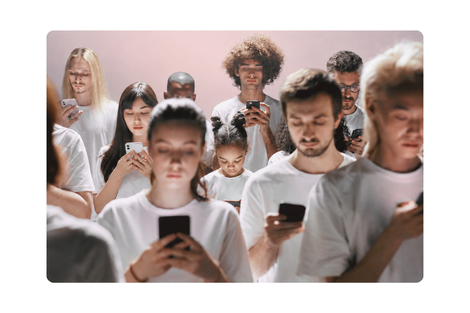
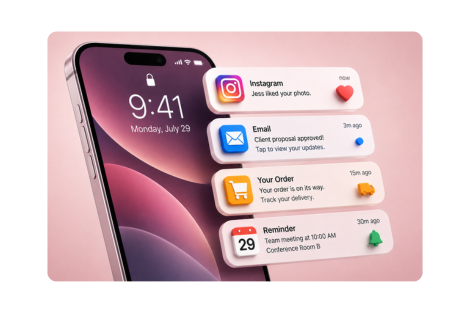
A subject line like “Your package is delayed” triggers urgency. A familiar looking logo creates false trust. Phishing exploits our natural mental shortcuts, especially when we’re busy, distracted, or using mobile devices (which 70% of us are when making quick decisions online).
In a split second, a single click can compromise personal data, not because we’re careless, but because the environment is engineered to override caution.
3. Dark Patterns: Manipulation by Design
Some of the most dangerous behaviours online aren’t illegal, they’re simply invisible.
Dark patterns are user interface designs that steer users toward outcomes they didn’t intend. Think “pre-ticked” boxes for marketing emails, or countdown timers that restart the moment they hit zero.
These tactics don’t just influence behaviour, they remove meaningful choice.
Why It Matters? The Real-World Consequences
When design choices exploit our mental shortcuts, the consequences are more than annoying; they can be harmful.
- Vulnerable users may fall victim to scams or misinformation.
- Young people may face constant exposure to harmful content shaped by algorithmic loops.
- Everyday users may find themselves manipulated into spending more, consenting to more, or seeing less than they realise.
This isn’t about blaming individuals. It’s about acknowledging that even the most tech-savvy users can be nudged in the wrong direction.
How Leaders Can Respond
Understanding the behavioural science of online harm enables business leaders, policymakers, and platform designers not only to mitigate risk but also to build digital environments that protect, respect, and empower users.
Here’s how:
- Design for transparency. Make choices clear and accessible. Unsubscribe should be as easy as subscribing.
- Limit sludge. Remove unnecessary steps that discourage user agency, especially in sensitive tasks like reporting abuse or managing privacy.
- Apply ethical nudges. Guide users toward beneficial actions, like enabling security settings, without resorting to fear or manipulation.
- Stress test your design. Review platforms from the lens of a distracted, mobile-first user. Would you fall for your own sign-up flow?
- Prioritise vulnerable users. Ask: who might be most impacted by this design, and how can we protect them?
When platforms are built with intention, trust becomes a by-product.
What Users Can Do
You don’t need to be a behavioural scientist to spot online harm, just be aware of the patterns:
- Slow down when it feels urgent. If a message creates panic, that’s a red flag.
- Look for friction. If it’s hard to cancel, report, or exit, ask why.
- Notice the defaults. What’s been selected for you before you choose?
- Pause before sharing. Misinformation spreads when emotions are high and attention is low.
Awareness is the first line of defence, for ourselves and for those who are more vulnerable.
Changing Behaviour by Design
Online harm isn’t always loud or obvious. It’s often a quiet erosion of time, money, trust or autonomy. However, the exact science that reveals these vulnerabilities also provides us with tools to prevent them.
For leaders, this means creating systems that support, rather than subvert, human thinking. For users, it’s about reclaiming attention in a world designed to take it. And for all of us, it starts with seeing the screen not just as content, but as influence.
Because in the end, behavioural design isn’t just shaping our clicks, it’s shaping our lives.