Have you ever read an article only to realise later it wasn’t true? Or perhaps you scrolled past a shocking headline and questioned its authenticity, only to hesitate and wonder, “But what if it is true?” In the digital world, misinformation isn’t just a nuisance, it’s a powerful force that shapes opinions, decisions and even public policy.
Fake news is not a modern invention. From political propaganda in ancient civilisations to AI-generated deepfakes today, misinformation has always found a way to infiltrate human communication. But why do we fall for it, and more importantly, how can we protect ourselves?
Understanding the psychology behind misinformation is the first step toward resisting its influence and making more informed decisions.
Why We Fall for Misinformation
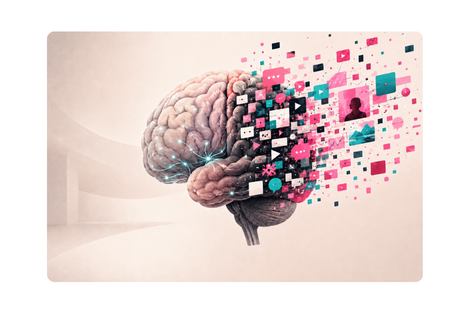
Misinformation doesn’t spread simply because it exists. It spreads because of how our brains process information. While we like to believe we are logical and rational decision-makers, the truth is that we rely heavily on cognitive shortcuts, emotional cues and unconscious biases to navigate the complex world around us.
One of the most influential psychological drivers is confirmation bias. This is our natural tendency to seek out and believe information that aligns with our existing beliefs while ignoring or dismissing anything that contradicts them. In practice, this means we’re more likely to accept a false story if it reinforces what we already think is true.
Similarly, the illusory truth effect plays a significant role. Repetition breeds familiarity, and familiarity breeds belief. The more we see or hear something, even if it’s false, the more likely we are to believe it’s true. In social media, where posts are shared and reposted across platforms, this effect is amplified.
Authority bias further complicates matters. We tend to place greater trust in information that comes from people we perceive as experts or verified sources. Ironically, research shows that verified social media users are often among the biggest spreaders of misinformation. That little blue checkmark can be deceiving.
Emotional triggers are another critical factor. Fake news is often designed to provoke strong emotional responses, fear, anger, and outrage. When we feel these emotions intensely, we’re more likely to act impulsively, including sharing information without verifying it.
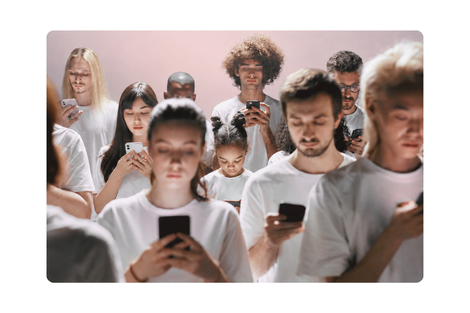
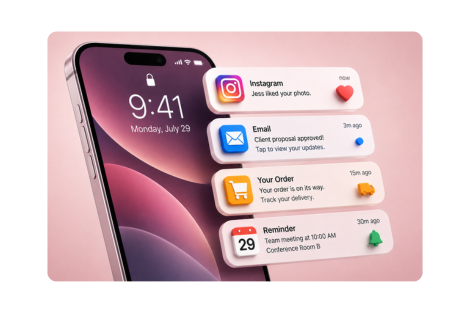
Lastly, cognitive overload has become a modern dilemma. With the constant stream of content we consume daily, our brains become overwhelmed. In this state, we’re less likely to take the time to verify facts and more likely to accept information at face value.
These psychological mechanisms make misinformation incredibly sticky. Recognising them in ourselves is key to developing a more critical approach to the information we consume.
A Brief History of Fake News
To truly understand the reach of misinformation, it is helpful to examine its historical context. Misinformation has always existed; it has just evolved with the medium.
In ancient Rome, Augustus used political propaganda to discredit his rivals, having slogans engraved on coins, the ancient equivalent of viral content.
Fast forward to 1835, when the New York Sun published what became known as the Great Moon Hoax, a series of articles claiming astronomers had discovered life on the moon. The story captivated the public, and even scientists believed it at the time.
With the advent of the internet and social media, the reach and speed of misinformation have increased exponentially. Studies show that false stories spread faster and more widely than true ones, particularly on platforms like X and Facebook.
Today, AI-generated content and deepfakes are further blurring the line between reality and fiction. Hyper-realistic videos and images created by artificial intelligence can be used to impersonate public figures, fabricate events and manipulate public sentiment with unprecedented ease.
Despite the changing tools and platforms, the intention behind misinformation remains largely the same: to influence opinion, manipulate behaviour or gain power.
How Technology Amplifies the Problem
Technology is a double-edged sword in the fight against misinformation. On the one hand, it has given rise to the rapid spread of fake news; on the other hand, it holds promise as part of the solution.
Social media platforms play a central role in amplifying misinformation. Their algorithms are designed to promote content that generates engagement, and unfortunately, emotionally charged or controversial posts often fit that bill. As a result, false information is not only allowed to circulate, but it is also inadvertently boosted.
Some governments have attempted to address this issue by banning or regulating platforms like TikTok, primarily due to concerns about foreign interference and the spread of propaganda. But banning platforms often shifts the problem elsewhere, rather than eliminating it.
More promising are community-driven fact-checking tools. Platforms like Meta and X have introduced features that allow users to contribute to fact-checking through community notes. This crowdsourced approach has shown promise, particularly since research suggests that people may trust peer-reviewed corrections more than those from official fact-checkers.
Then there’s AI-powered misinformation detection. Algorithms can now flag and sometimes block false content before it gains traction. However, AI is also part of the problem, as it is used to create fake content in the first place. The arms race between detection and deception continues.
Ultimately, the most effective technological solution might be building trust in quality journalism. Encouraging digital media literacy and supporting reputable news outlets can foster a more informed public.
How to Spot Misinformation
So, how do we sift through the noise and identify what’s real? It begins with awareness and a few practical strategies.
- First, check the source. Reliable sources cite their information, have a proven track record of accuracy, and are transparent about their authors and funding sources. If you’re unfamiliar with a site or publication, take a few seconds to look it up.
- Next, look beyond the headline. Many misleading articles use sensationalist headlines to draw clicks. Reading the full article can provide meaningful context and nuance.
- Be mindful of emotional manipulation. If a story makes you feel outraged, frightened or overly excited, it’s worth taking a pause. Strong emotional reactions are often a red flag.
- Use tools like Google Reverse Image Search to verify whether an image has been taken out of context or used in a misleading manner.
- Always think before sharing. Even unintentional sharing of misinformation helps it spread. A few moments of checking can make a big difference.
The Problem with Verification
Many people rely on verification badges as a sign of trust. But this can backfire. Research has shown that verified users on social media are often the biggest spreaders of misinformation. The perception of credibility that comes with a blue tick can lull users into letting their guard down.
Verification, especially since platforms have monetised it, no longer guarantees authority or accuracy. What matters more is a track record of factual content and transparency, regardless of whether the account has a badge.
Staying One Step Ahead
Misinformation is not going away. But by understanding its psychological roots and technological pathways, we can become better equipped to combat it.
Start by paying attention to how information makes you feel and remember that repetition doesn’t equal truth.
As consumers, we have more power than we realise. Each time we pause, verify and think critically, we disrupt the cycle of misinformation.
By staying informed, encouraging thoughtful discussion and promoting digital literacy, we help build a more resilient information ecosystem.