Email frequency shapes how trust is built, or broken, in the inbox.
Picture a familiar moment. You open your inbox in the morning and see multiple emails from the same brand. One from yesterday. Another from two days ago. And one from this morning again. Before you even read the subject lines, you already feel a sense of resistance.
Now, picture a different scenario. You subscribe to a newsletter you genuinely like. Weeks go by. Then one day, an email lands in your inbox and you pause, trying to remember who sent it and why you signed up in the first place.
Both situations feel uncomfortable, but for very different reasons. One feels overwhelming. The other feels disconnected.
This raises an important question: how much email marketing is too much before it starts doing more harm than good?
When presence becomes pressure
Email is one of the most direct ways to reach people. It arrives in a space that feels personal, intentional and, in many cases, already crowded. Unlike social media, where content can be scrolled past with little consequence, email demands a decision. Open it. Ignore it. Delete it. Unsubscribe.
Each email asks the brain to do work.
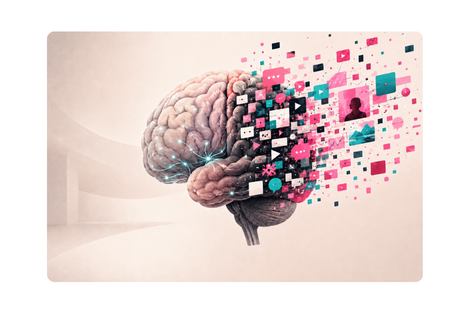
When messages arrive too frequently, that work starts to feel like pressure. Even if the content is well written, the sheer volume can trigger a subtle stress response. The brain begins to categorise the sender as “noise” rather than as a source of value. Over time, this leads to disengagement, not because the audience has lost interest, but because their cognitive capacity has been exceeded.
From a behavioural perspective, this is cognitive overload. The brain has limited bandwidth for decision-making. When that bandwidth is stretched too far, it looks for shortcuts. One of the easiest shortcuts is avoidance.
That’s when emails stop being read and start being deleted without a second thought.
Familiarity versus fatigue
Consistency matters in building trust. Familiarity helps people feel safe. When a brand shows up reliably, it signals stability and intention. But there is a fine line between familiarity and fatigue.
Send too often, and familiarity turns into irritation.
Send too rarely, and familiarity fades into forgetfulness.
This is where many brands struggle. They assume that more contact equals more connection. Behavioural science suggests the opposite can be true. Repeated exposure without sufficient value leads to habituation.
The brain stops responding to what it perceives as repetitive or predictable. Messages blend. Attention drops. Impact declines.
This is why people often say they “don’t mind emails” but still unsubscribe when they receive too many. It’s not the channel they’re rejecting. It’s the experience.
The hidden cost of every email
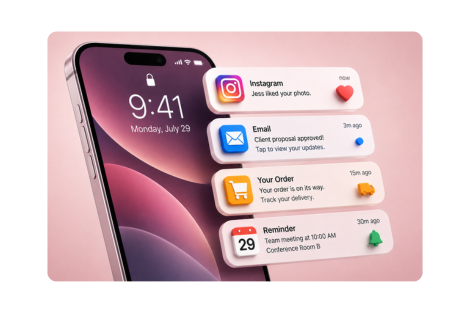
Every email carries a cost, even if it’s never opened.
It competes for attention.
It interrupts focus.
It adds to mental clutter.
From the recipient’s perspective, each message asks, “Is this worth my time right now?” When the answer is repeatedly no, trust quietly erodes. Not dramatically. Not immediately. But enough to change future behaviour.
This is where email marketing becomes less about frequency and more about respect.
Respect for attention.
Respect for cognitive load.
Respect for the relationship.
Brands that send fewer, more thoughtful emails often outperform those that rely on volume. Not because scarcity is inherently better, but because intention is felt.
Why context matters more than cadence
There is no universal rule for how many emails are “too many.”
Behavioural responses depend heavily on context.
People tolerate more emails from brands they trust.
They tolerate more emails when the content feels relevant, and during periods of high intent, such as sales or events.
What they don’t tolerate is unpredictability.
When someone signs up expecting a monthly insight and receives multiple emails a week, the mismatch creates discomfort. When someone expects value and receives repeated promotions, the imbalance feels transactional. Once broken, expectations are difficult to rebuild.
This is why setting clear expectations matters. Frequency should never feel like a surprise. When people know what to expect, their brains relax. When they don’t, every email feels like a potential intrusion.
The difference between value and volume
One of the biggest mistakes in email marketing is assuming that content alone can justify frequency. But value is not defined by how much effort went into writing an email. It’s characterised by how it lands.
An email that informs, reassures, or helps someone think differently earns its place in the inbox. An email that asks for attention without giving anything in return feels extractive.
From a psychological standpoint, this is about reciprocity. When people feel they are receiving more than they are being asked to give, trust grows. When the balance tips the other way, resistance builds.
This is why some brands can email weekly and still feel welcome, while others feel overwhelming even at lower frequencies. The difference is not cadence. It’s perceived intent.
When less really is more
Many people instinctively say they would unsubscribe if they received more than one email per week. That response is revealing. It’s not about the number itself, but about the desire for breathing room.
Space allows anticipation to build.
Space allows messages to feel considered.
Space signals restraint.
In behavioural terms, restraint increases credibility. It signals to the brain that communication is purposeful rather than reactive. That purposefulness makes people more receptive when the email does arrive.
This doesn’t mean weekly is always ideal. For some audiences, fortnightly works better. For others, a monthly rhythm feels right. The common thread is that the frequency aligns with the relationship stage and the value being delivered.
A more human way to think about email frequency
Rather than asking, “How many emails should I send?”, a better question is, “What experience am I creating in someone’s inbox?”
Email is most effective when it mirrors healthy human relationships. We don’t build trust by constantly checking in. We build it by showing up with intention, consistency and respect.
What this tells us about behaviour
Technology has made it easy to send more. Human psychology hasn’t changed to accommodate it.
People still want to feel in control.
They still want their attention respected.
They still respond best to thoughtful communication rather than frequent communication.
Email marketing is not about maximising sends. It’s about maximising meaning.
When brands understand this, frequency becomes a strategic choice rather than a habit. And when communication feels intentional, people don’t feel overwhelmed. They feel considered.
Because in the end, it’s not about how often you land in someone’s inbox. It’s about how you make them feel when you do.