Every day, we make countless decisions. Some are small, such as choosing what to eat for lunch, while others have a lasting impact, like investing in a business, changing careers, or purchasing property. But what really drives these choices? Why do some people take bold risks while others prefer to play it safe?
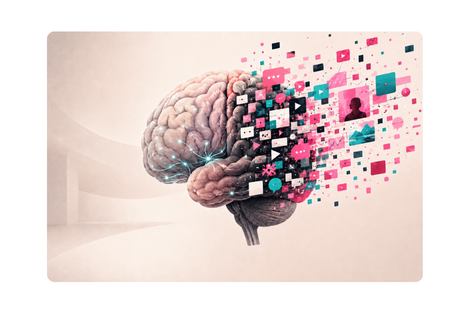
Recent research in neuroscience and psychology sheds light on how the brain evaluates risk and reward. It turns out that our brains do not just weigh the pros and cons of a decision. They also track risk and reward in ways that shape our behaviour. Understanding this can help us make smarter and more confident choices in business, leadership and life.
How the Brain Weighs Risk and Reward
For decades, psychologists believed that people make decisions by rationally evaluating their options. But modern research suggests that emotion, experience and even unconscious biases play a huge role in the process.
A recent Harvard study found that the brain has two distinct groups of neurons that influence decision making.
- One group processes positive outcomes. These neurons make people more likely to take a chance when past risks have paid off.
- Another group tracks negative outcomes. These neurons trigger caution when previous experiences led to disappointment.
In simple terms, we have an internal optimist and a pessimist. Both influence how we assess opportunities. These neural circuits work together to shape our perception of risk and reward, often without us realising it.
The takeaway is that decisions are not just based on logic. Past experiences, fears and expectations deeply influence them.
Why Some People Take Risks While Others Avoid Them
Some people are naturally drawn to high-risk, high-reward situations, while others prefer to stay within their comfort zone. It is not just about personality. It is how the brain processes risk.
Some people focus more on potential rewards, making them natural risk takers. Entrepreneurs often exhibit a heightened response to positive reinforcement, which enables them to persevere despite uncertainty.
Others are more cautious. Their brains tend to pay greater attention to negative outcomes, making them less likely to take risks. While this can help avoid failure, it can also lead to missed opportunities.
Neither way of thinking is better than the other. Instead it highlights the importance of self awareness. Understanding your natural decision making tendencies can help you balance risk and reward in a way that works for you.
The Hidden Biases That Influence Decisions
Even when people think they are making logical choices, their brains often take shortcuts. These are known as cognitive biases. They shape thinking sometimes in ways that do not serve them well.
Some of the most common biases affecting risk and reward include:
- Loss aversion bias. People feel the pain of loss more than the joy of gain, which can make them overly cautious.
- Confirmation bias. People tend to seek information that supports their existing beliefs rather than considering all possibilities.
- Anchoring bias. The first piece of information they hear often influences their entire decision-making process.
- Overconfidence bias. People tend to overestimate their ability to predict outcomes, which can lead to poor choices.
By recognising these biases, people can step back and evaluate choices with a clearer perspective.
How Business Leaders Can Use Risk Psychology to Their Advantage
Understanding risk psychology is a game changer for business leaders. The best leaders do not just rely on instinct. They balance intuition with strategy using insights from psychology and neuroscience to make informed decisions.
Here are a few ways this knowledge can be applied in business and leadership:
- Evaluate risk tolerance. Understanding whether you are naturally risk averse or prone to bold moves can help guide strategic decisions.
- Balance emotion with data. While gut instinct is valuable, it is essential to back up decisions with facts and evidence.
- Reframe failure as learning. Individuals who view failure as a learning opportunity tend to be more resilient and ultimately more successful in the long run.
- Encourage diverse perspectives. Surrounding yourself with people who think differently helps counteract biases and leads to stronger decision making.
- Use small tests before big risks. Instead of making high-stakes decisions all at once, testing smaller versions first can gather insights and reduce uncertainty.
These approaches help leaders take calculated risks that drive growth rather than falling into the traps of impulsive or overly cautious decision making.
What This Means for Sales and Customer Decisions
The way risk and reward are processed does not just affect personal choices; it also influences broader societal decisions. It plays a huge role in customer behaviour.
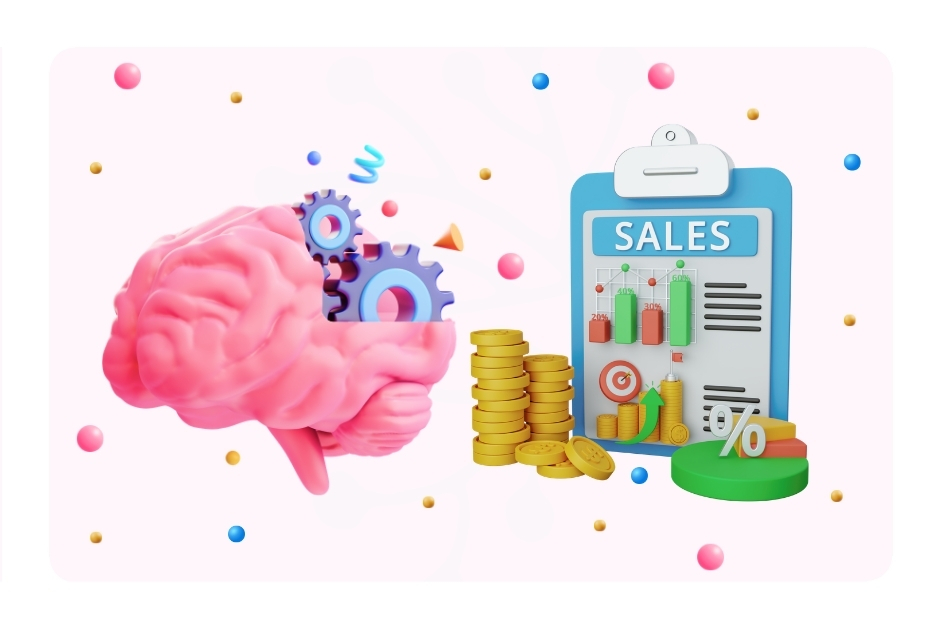
In sales and marketing, customers do not just evaluate a product or service based on features. They ask…
- What do I gain from this?
- What happens if I make the wrong choice?
If a customer sees more risk than reward, they hesitate. This is why trust, credibility and reducing uncertainty are essential.
How to Use This in Business
- Showcase success stories. Social proof reduces perceived risk by showing that others have benefited from a product or service.
- Reduce uncertainty. Offering guarantees, free trials or flexible terms makes prospects feel safer in their decision.
- Frame offers in terms of loss avoidance. Instead of saying “Save $100”, try “Do not lose $100”. People are more motivated to avoid losses than to seek gains.
- Make the decision simple. Too many options create hesitation. Guiding customers toward clear and easy-to-choose solutions makes a difference.
Aligning sales strategies with how the brain evaluates risk and reward enables businesses to increase conversions and build stronger customer relationships.
Practical Steps to Improve Decision Making
Since risk and reward are central to life and business, it’s essential to develop better decision-making habits. Here’s how:
- Pause before reacting. The first instinct is often emotional. Taking a step back before making big decisions prevents rash choices.
- Consider the worst and best outcomes. Asking “What is the worst that could happen?” or “What is the best that could happen?” helps clarify decisions. Is the risk worth it?
- Gather information, but do not overthink. Research is important, but paralysis by analysis can stop progress. Setting a deadline for decision making helps.
- Learn from past decisions. Reflecting on previous risks taken and their outcomes informs future choices.
- Trust yourself. Seeking advice is good, but no one knows your situation better than you do.
Final Thoughts. Smart Risk Taking Leads to Growth
Risk is a natural part of life and business. The key is not to avoid it but to understand it better. By understanding how the brain processes risk and reward, individuals can make more informed decisions, build confidence, and achieve smarter outcomes.
Whether in business, leadership or personal life, understanding the psychology of risk and reward is a powerful tool. When self awareness, strategic thinking and a willingness to take smart risks come together, success is no longer a gamble. It becomes a calculated move.