Picture a familiar situation. You’re standing in a shop, waiting for a service, and a conversation naturally starts with the owner. Nothing formal, just human curiosity. They ask what you do for work. You explain. They listen, interested. There’s a sense of connection forming.
Then comes the question:
“Do you have a business card?”
Maybe you say no. Perhaps you suggest connecting on LinkedIn instead. Maybe you promise to send details later. Nothing dramatic happens and the conversation doesn’t quite land where it was heading. This is where efficiency and human expectation quietly collide.
If digital is so efficient, why do physical business cards still work so well?
When the brain expects a next step
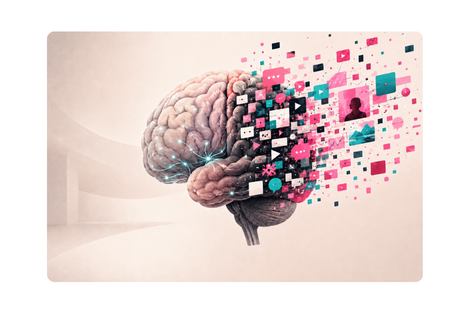
When people meet in person and feel a sense of interest, the brain looks for familiar signals to complete the interaction. We rarely think about this consciously, but we feel it when something is missing. In many real-world business conversations, particularly with owners, leaders, and service-based professionals, there’s still an unspoken rhythm. A conversation leads to curiosity, curiosity leads to a business card, and the card creates a bridge to a future interaction.
When that final step doesn’t happen, the moment feels unfinished. Not wrong. Just incomplete. This isn’t about tradition. It’s about expectation, and it’s expectations that shape behaviour.
Why physical business cards still build trust
Humans are sensory creatures. We place greater trust in what we can see, touch and hold. A business card isn’t just a carrier of information, it’s a tangible signal of intent. The weight of the card, its texture, and its design choices all quietly communicate effort and preparation. They tell the brain that this person anticipated the interaction and valued it enough to show up ready.
Digital exchanges, while efficient, remove that sensory layer. They deliver information quickly, but without the physical cues that help anchor trust. Efficiency reduces friction. Tangibility creates reassurance and in early moments of relationship-building, reassurance matters.
The role of social rituals
Exchanging a business card is a small but meaningful social ritual. Rituals matter because they give structure to moments.
They signal closure and continuation at the same time. This conversation is ending, but something else may begin.
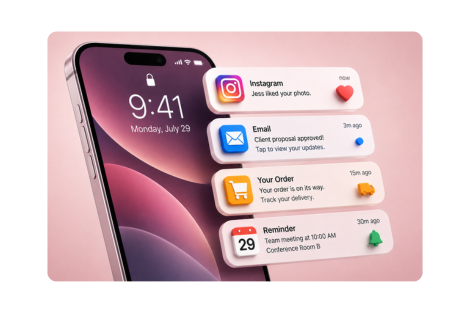
Digital alternatives often skip this step. A QR code or link can feel transactional, especially when the conversation itself is personal. In roles where trust and credibility are central, people tend to respond more strongly to human cues than to technical shortcuts.
How memory really works
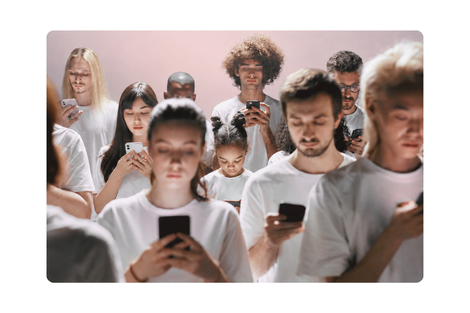
Most people carry hundreds, sometimes thousands, of digital contacts on their phones. Names blur together and details fade. A physical business card, by contrast, often remains visible on a desk, in a wallet or inside a notebook. Its presence keeps the interaction alive in the background.
It’s not that paper is inherently memorable. It’s the card that stays present. Digital contacts disappear into lists. Physical cards stay in sight.
In some professional contexts, especially with business owners or more traditional audiences, not having a business card can feel unexpected. It may subtly suggest a lack of readiness, even when that’s not the case. These impressions aren’t deliberate judgements; they’re quick interpretations shaped by long-standing social norms.
Technology may have evolved, but these norms haven’t disappeared.
Where digital fits best
Don’t get me wrong, digital business cards have real value. They’re useful for follow-ups, remote conversations, LinkedIn connections, and keeping details up to date. From a behavioural perspective, digital tools work best once trust already exists. They help sustain relationships rather than initiate them.
Paper tends to open the door, whilst digital helps keep it open.
What This Tells Us About Human Behaviour
Technology has moved quickly. Human behaviour has not.
We still respond more strongly to presence than convenience, to physical cues than abstract ones, and to moments that feel intentional. That’s why physical business cards haven’t disappeared in face-to-face business interactions. When someone asks for a business card, they’re not simply asking for contact details. They’re asking for a signal that this interaction matters and that there’s a next step.
Digital business cards are undoubtedly useful; the most effective approach isn’t choosing one over the other. It’s understanding when psychology matters more than efficiency.
Because relationships don’t begin with technology. They begin with people.